Cut by hand. Worn for a lifetime.
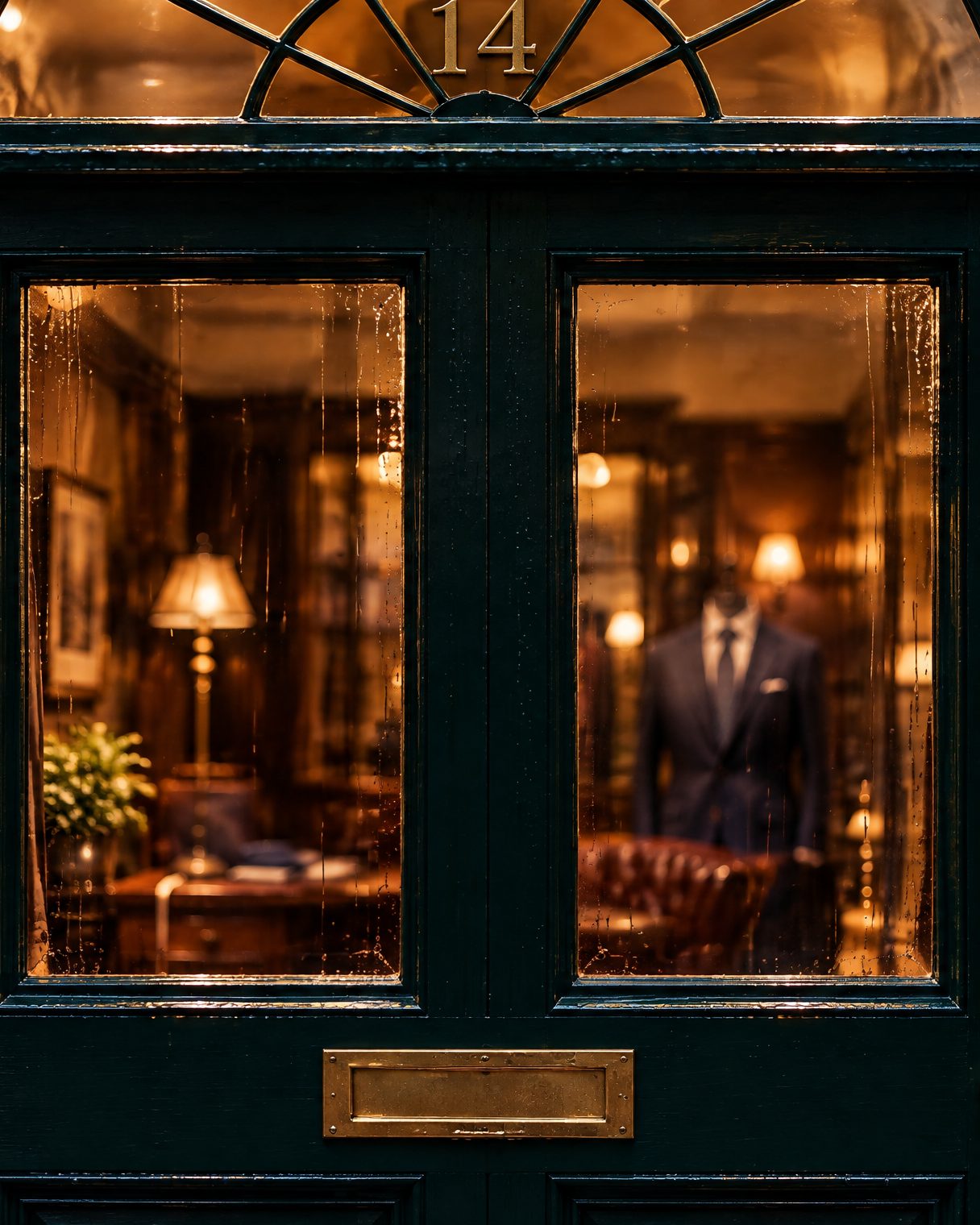
No. 14 Savile Row. Twenty-two measurements, three fittings and about sixty hours of handwork in a first suit, cut to a pattern that is yours alone.
10 to 6
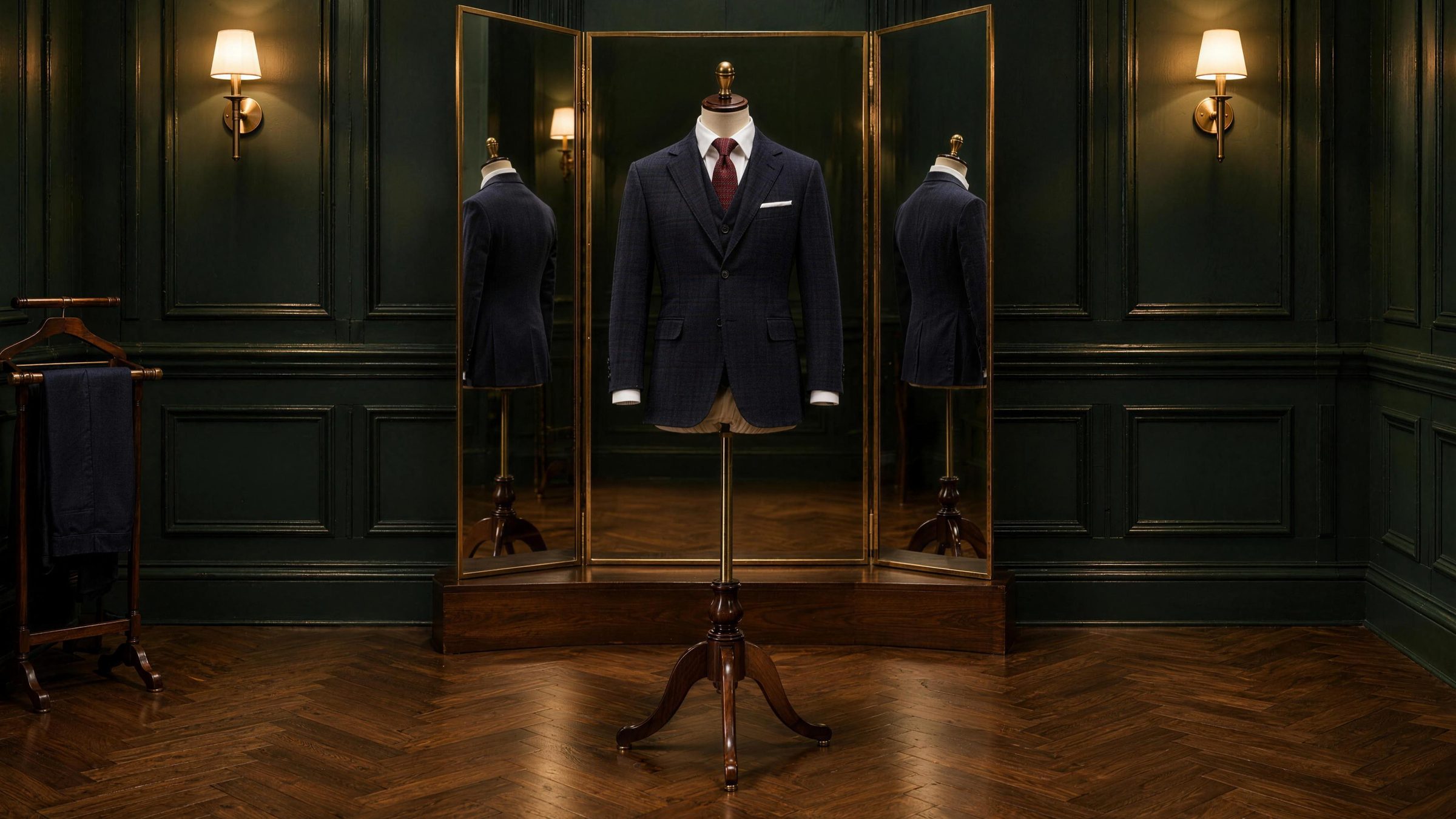
A suit, dressed in four layers.
The shirt
Sea Island cotton, 140s. A cutaway collar that sits under a jacket without curling, and a split yoke across the back.
The waistcoat
Six buttons, lapelled. The back in burgundy Bemberg with a brass buckle, because the back is what the mirror sees.
The jacket
13 oz worsted flannel. A chest padded by hand over thirty hours, three buttons that roll to two, double vents.
The finishing
A grenadine tie in a four-in-hand, a white linen square folded once. The form turns. You are done.
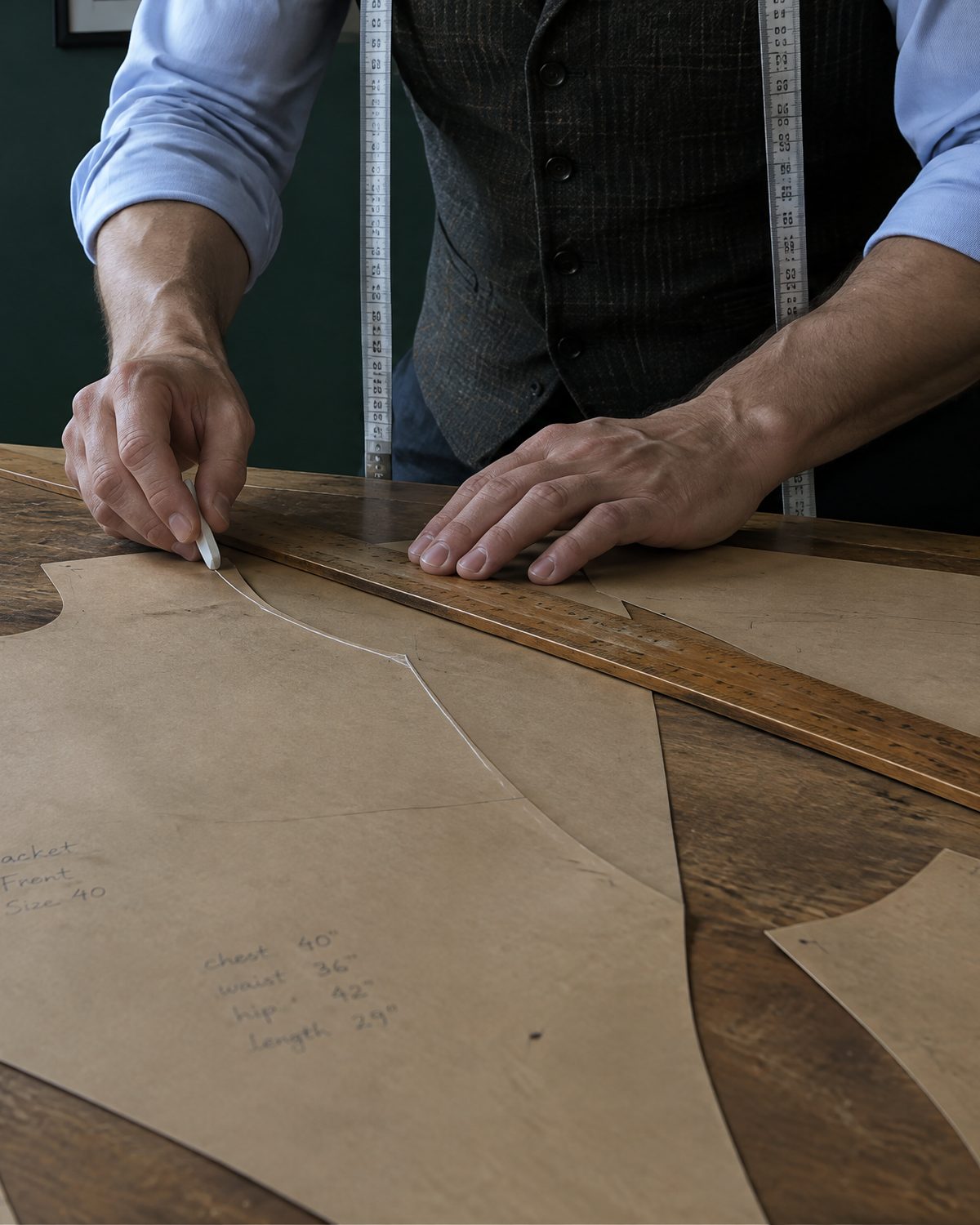
A suit is measured in decades, not seasons.
We have cut on this street since 1887, in the same three rooms since 1911, with the same twenty-two measurements and a few more opinions than that. Nothing we make is in fashion. Everything we make is in proportion.
A first suit takes three fittings and about sixty hours of handwork. Your pattern stays in the house afterwards, in brown paper, and is redrawn each time you change. Most clients are measured twice in a lifetime.
Inside the atelierEight pieces, on one rail.
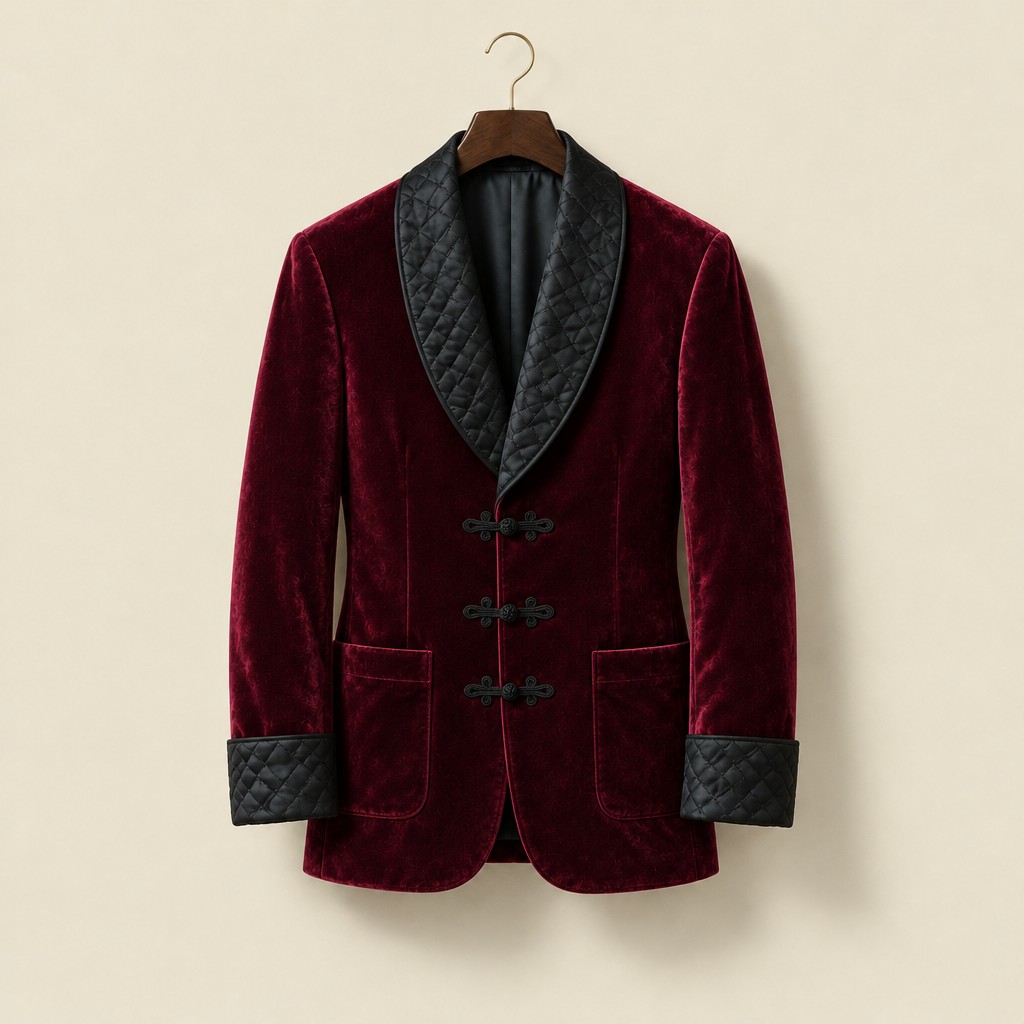
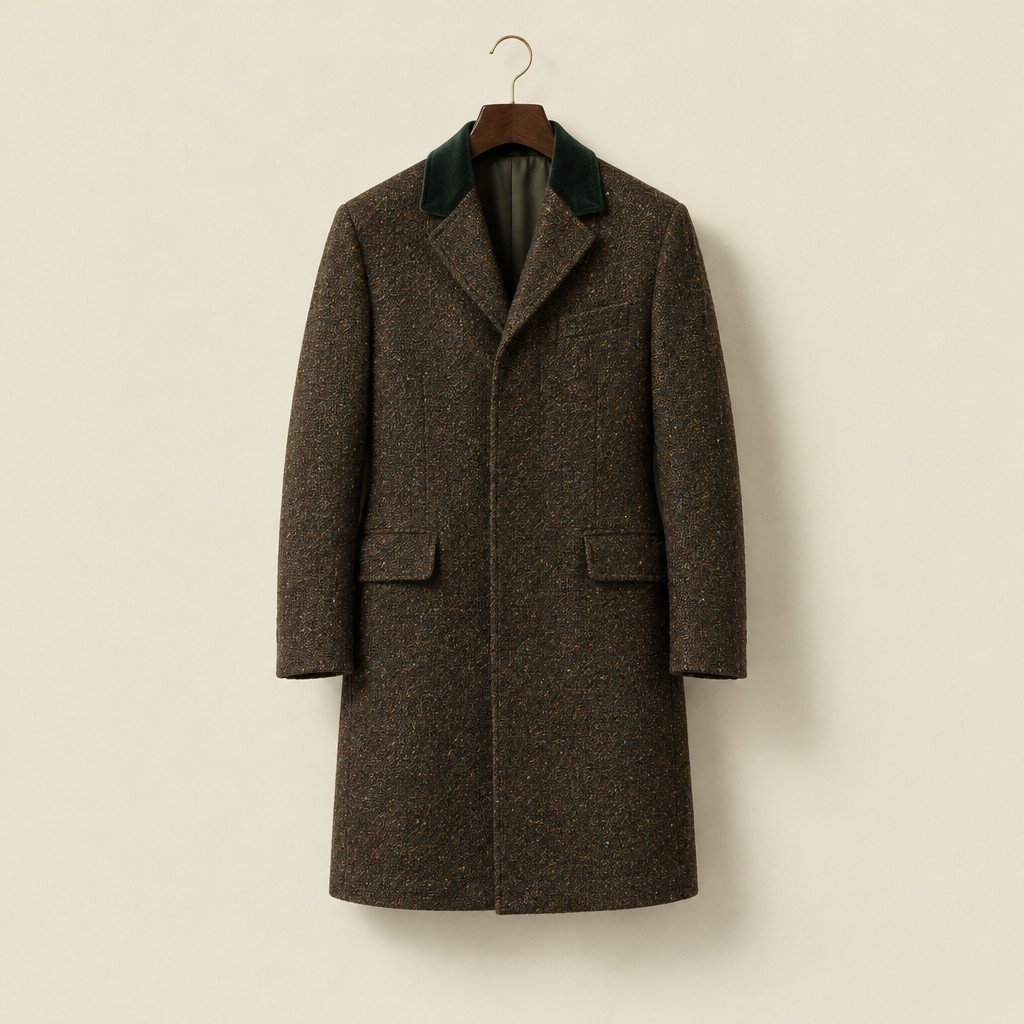
Hung as they are in the front room: tweeds, checks, a chalk stripe, a corduroy, a velvet. Lift one to look closer, turn it round, open it. Each is cut to your pattern, never to a size.
The whole collection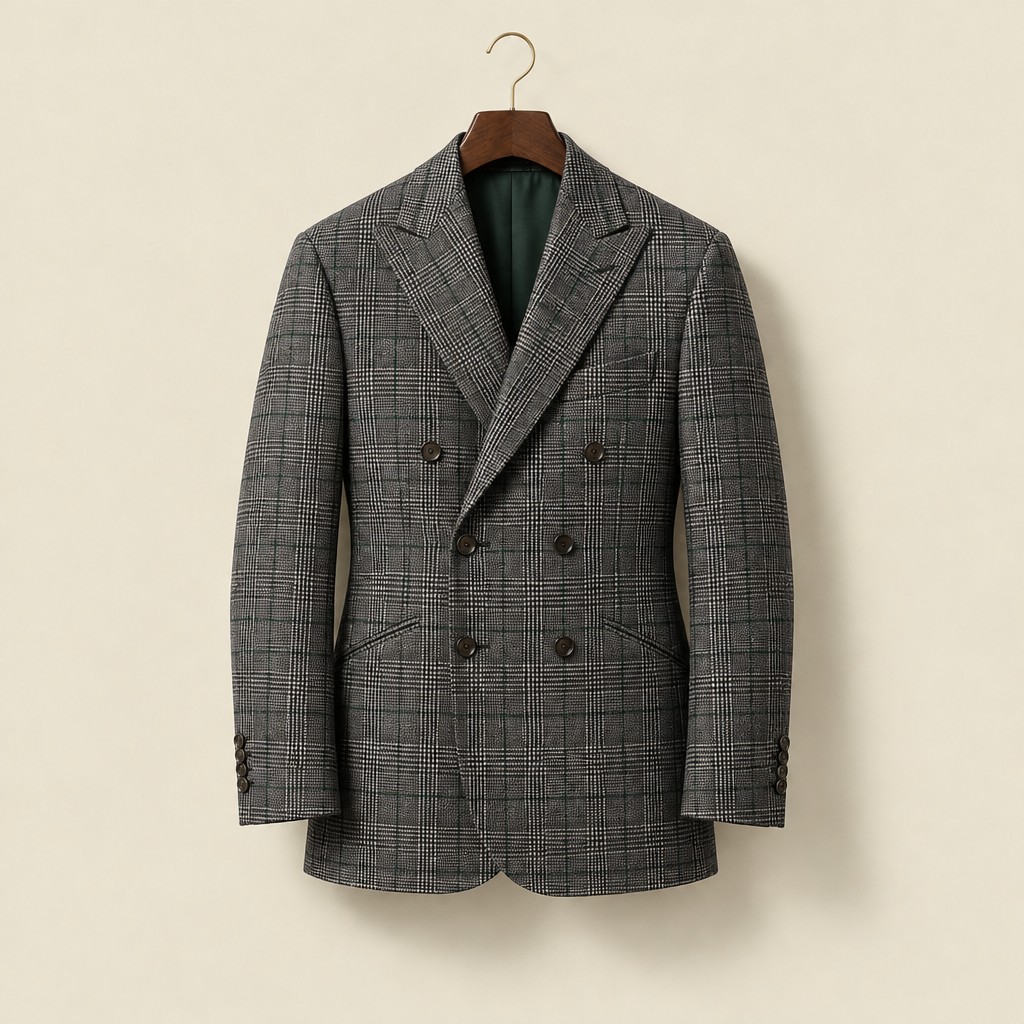
The cloth tells the story.
Two hundred bunches live on the oak table in the front room. These eight are on the winter rail: worsteds from Huddersfield, tweeds from the islands, one velvet for after dinner. Choose one to look closer.
Selected cloth · Worsted flannel
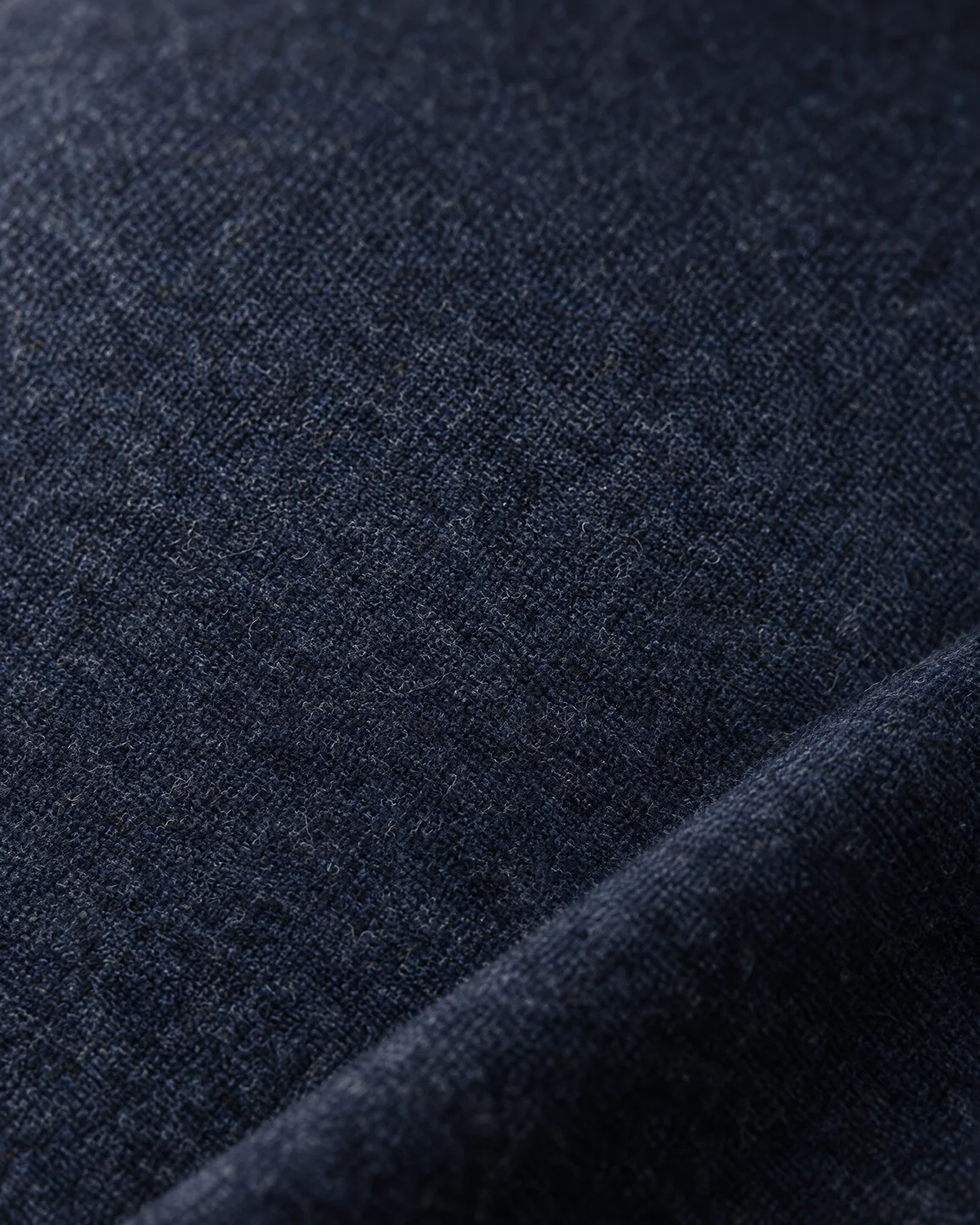
Worsted flannel
- Origin
- Huddersfield, West Yorkshire
- Weave
- Milled flannel
- Cut as
- The Mayfair
Milled soft, so it drapes rather than hangs. The house cloth: navy for town, charcoal for winter, bottle green for the brave.
Ask about this cloth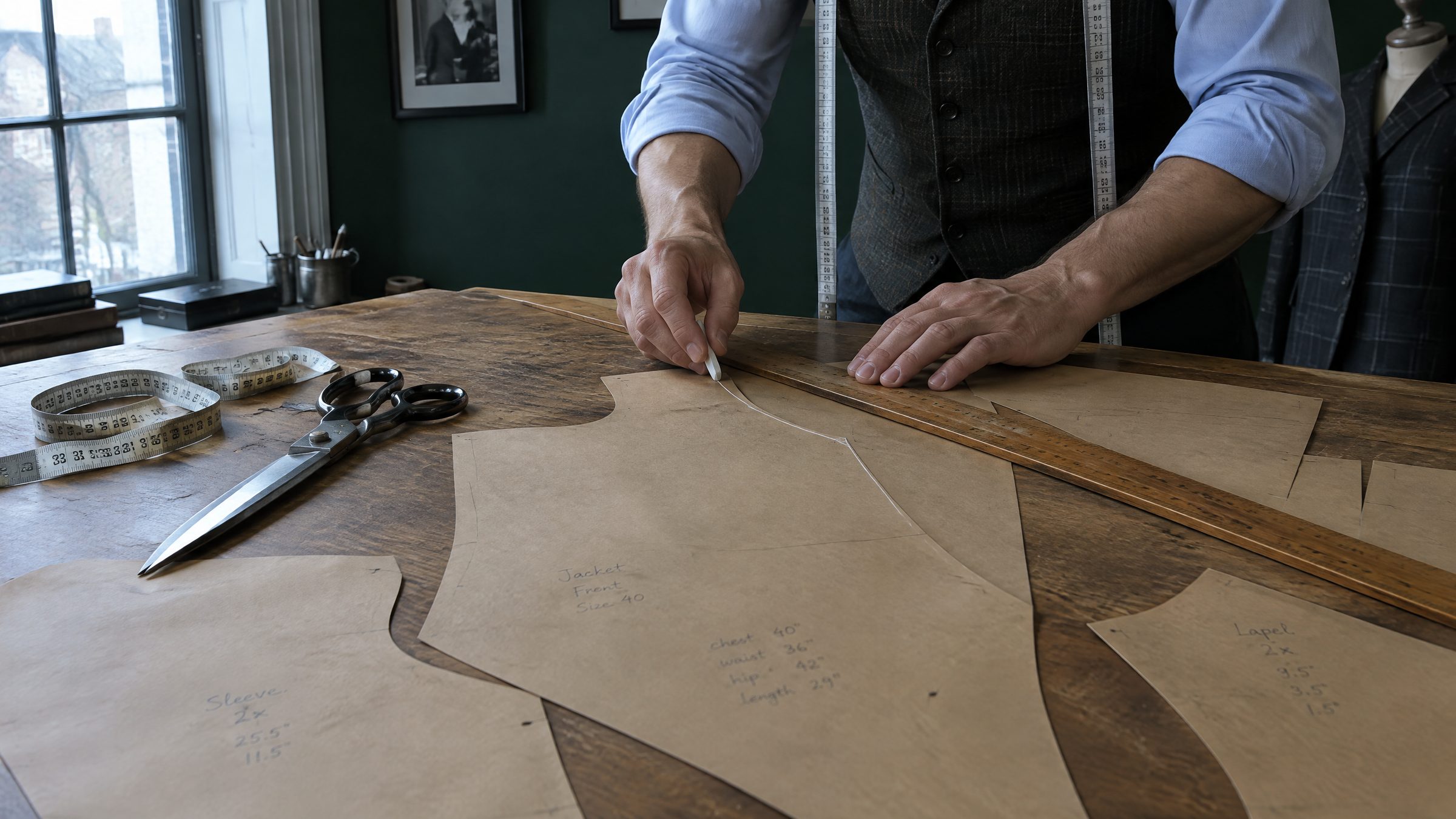
Sixty hours
between the two.
Sixty hours, in order.
The order matters. Cloth before pattern, baste before forward, the collar last. Here is the whole of it, as we would explain it across the cutting table.
- 01
Cloth
Chosen from the bunches in the front room: Huddersfield worsteds, Hebridean tweeds, a few Italian mills we trust. Weight first, then colour.
13 oz · 150 cm - 02
Pattern
Your pattern is drafted in brown paper from twenty-two measurements and three observations about how you stand. It stays in the house for as long as you do.
22 measures - 03
Baste
The first fitting, in white thread. The coat is a loose sketch that can still be taken apart and redrawn. Most of what we learn, we learn here.
Fitting 1 of 3 - 04
Forward
The second fitting with the canvas padded and the pockets cut. The chest finds its shape; the balance is set; the sleeve pitch is argued over.
Fitting 2 of 3 - 05
Finish
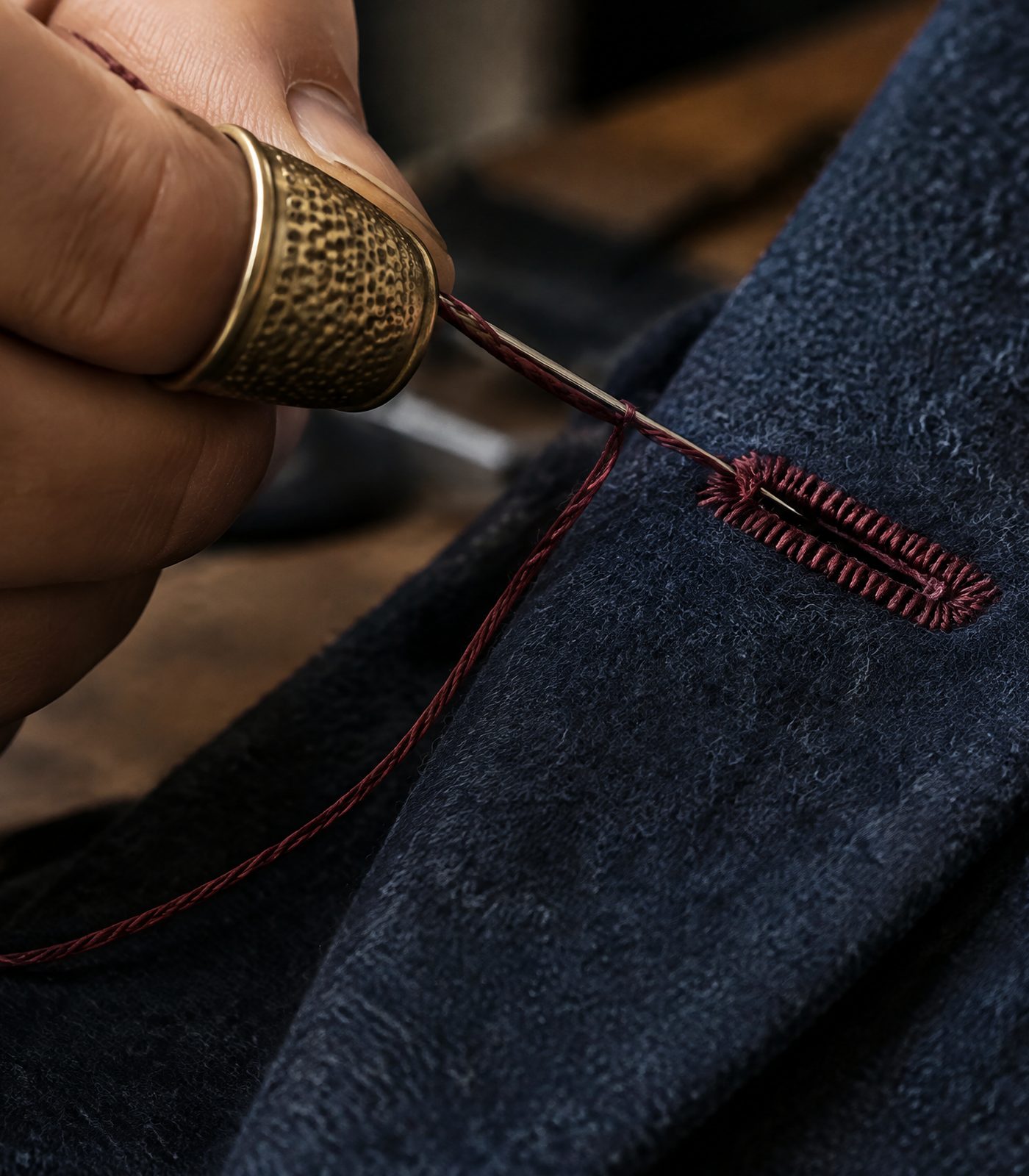
Buttonholes sewn by hand with silk twist, lining felled in, the collar set in a single hour of complete silence. Sixty hours, give or take.
60 hrs · by hand
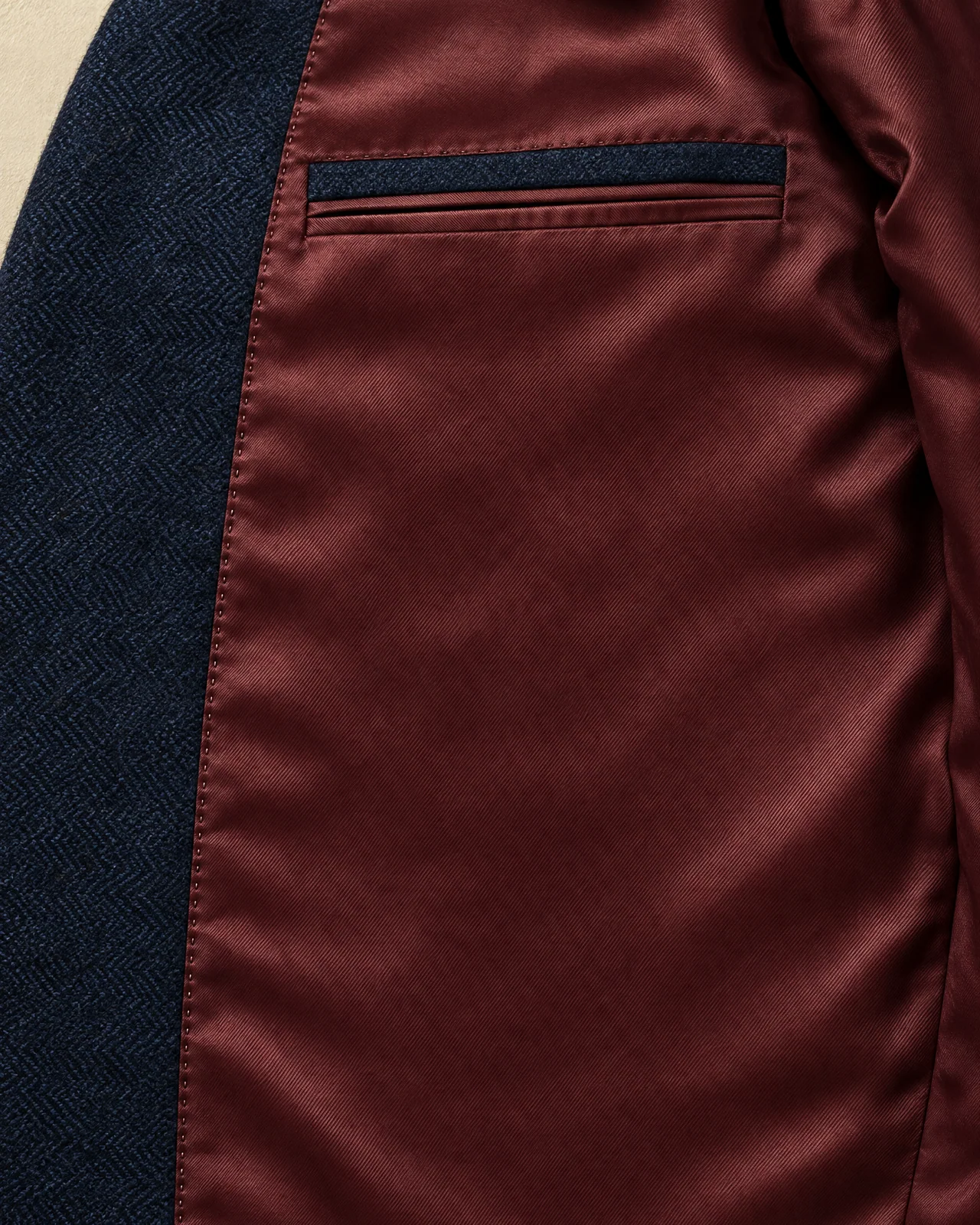
Your initials, sewn by hand.
Inside every coat, on the lining below the breast pocket, the coatmaker sews the owner's initials in silk twist. It takes about forty minutes, and nobody sees it but you. Try yours.
M. Okafor · Head cutter · 31 years in the house“We do not cut for the room you walk into. We cut for the forty years after it.”
The last comes first.
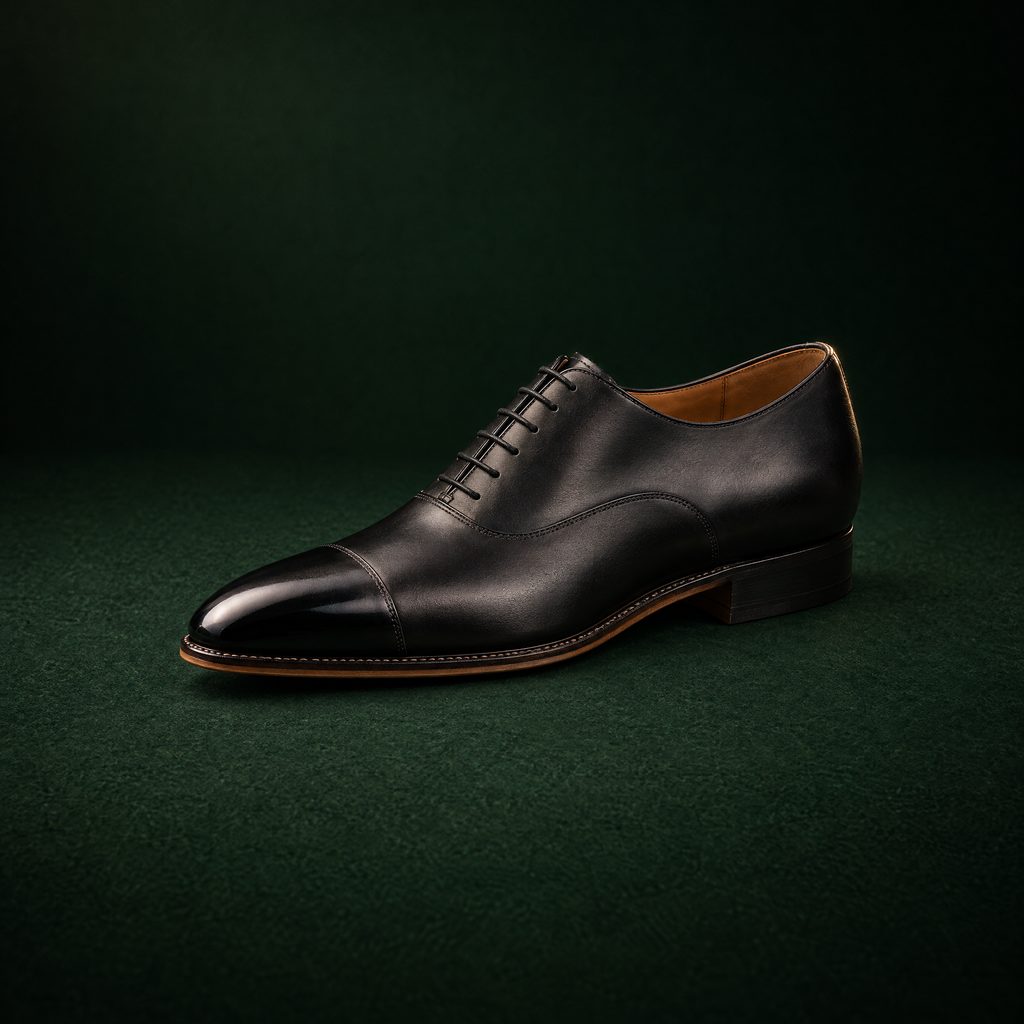
Before there is a shoe there is a last: a block of beech carved to the shape of one foot, and only that foot. Ours are carved in Northampton and kept here, on a shelf, with your name on a brass plate.
Two house shoes are made to it: the Oxford in black calf with a cap toe for the Mayfair and the Belgravia, and the Country Brogue in Scotch grain with a storm welt for the tweeds. Hand-welted, eight weeks. Turn them over.
By appointment, Tuesday to Saturday.
Come in and be measured.
A first appointment lasts an hour. We talk about where the suit will go, you look at cloth, we take the twenty-two measurements and the three observations. There is no obligation and the tea is good.